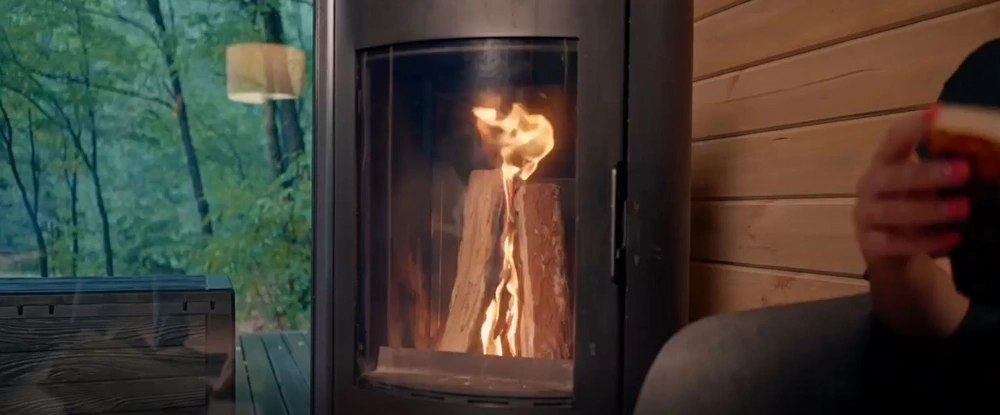
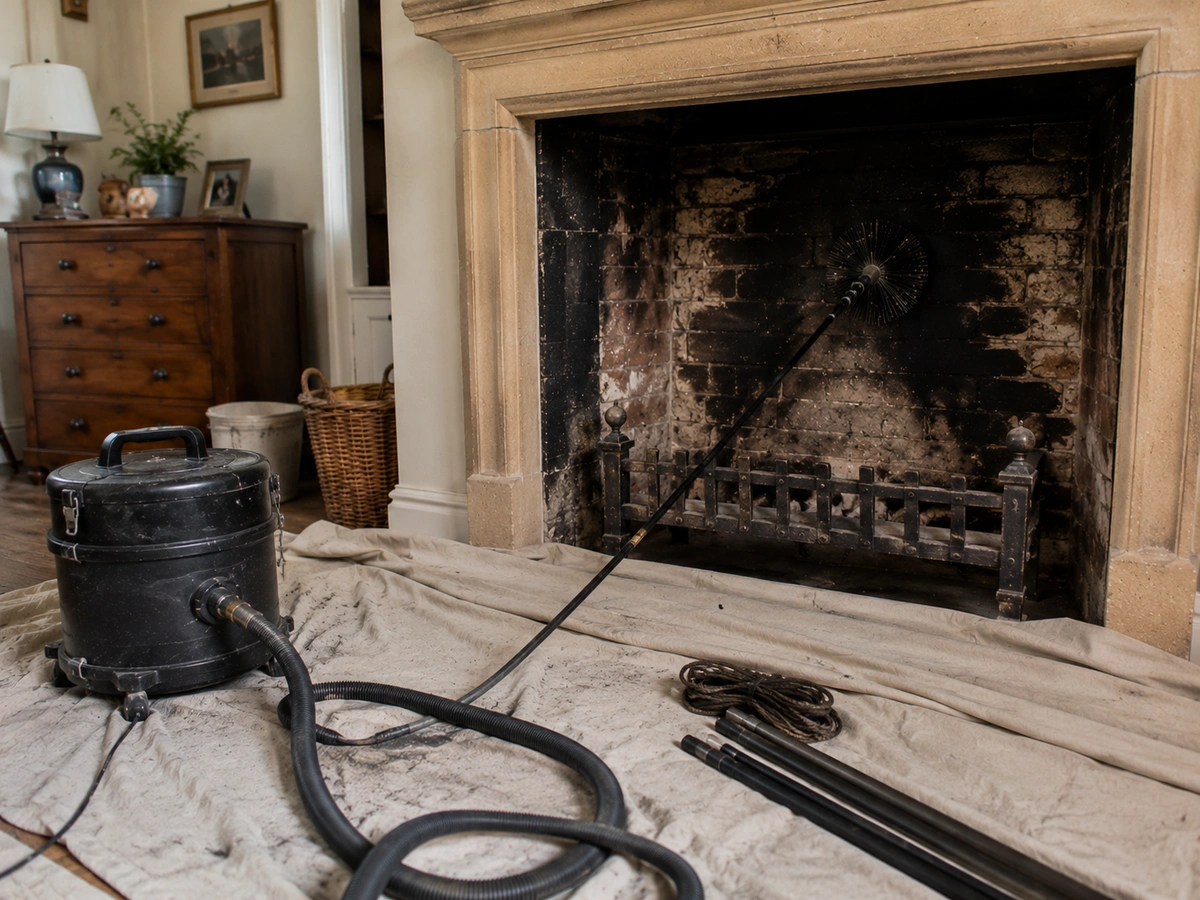
Professional Creosote Removal
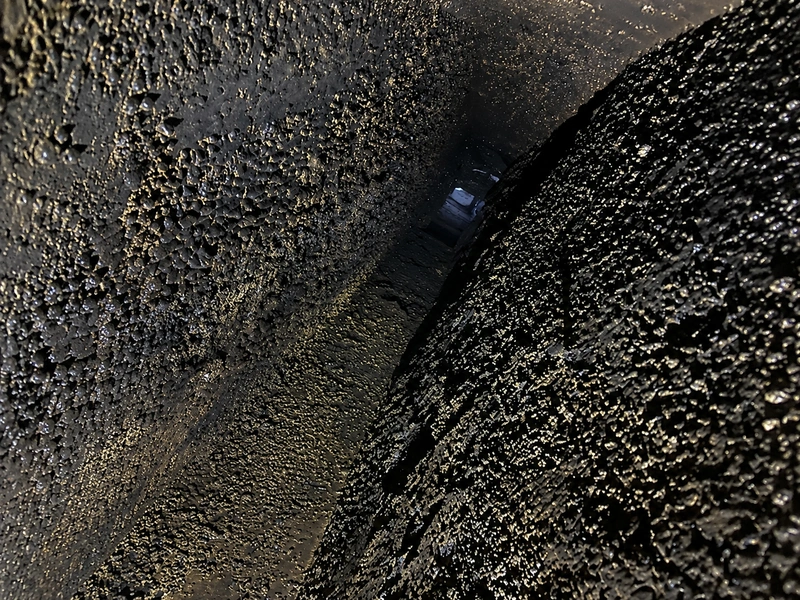
Creosote is a highly flammable tar-like substance that can build up inside your chimney over time, particularly when burning unseasoned wood or using a log burner that isn’t operating efficiently. If left untreated, heavy creosote deposits can increase the risk of chimney fires and affect how well your chimney performs.
Rushbrook’s Chimney Sweep provides specialist creosote treatment alongside professional chimney sweeping to help break down stubborn deposits, improve chimney performance and restore the safe operation of your fireplace, log burner or wood-burning stove.
Our Creosote Removal Services Include
Specialist creosote treatment and follow-up chimney sweeping to help break down stubborn tar deposits, improve chimney performance and reduce the risk of chimney fires.

Creosote Assessment
We’ll inspect your chimney to determine the extent of the creosote build-up and advise whether specialist treatment is recommended.

Specialist Creosote Treatment
Where heavy tar deposits are present, a specialist treatment is applied to help break down stubborn creosote. The product works gradually as your appliance is used over the following weeks.

Follow-Up Chimney Sweeping
Once the treatment has had time to work, we’ll return to thoroughly sweep the chimney and remove the loosened creosote deposits, helping restore a cleaner, safer flue.

Professional Advice
We’ll explain why the creosote developed in the first place and offer practical advice on burning seasoned wood, improving stove efficiency and reducing the chances of it returning.
What Is Creosote?
Many homeowners have never heard of creosote until a chimney sweep mentions it.
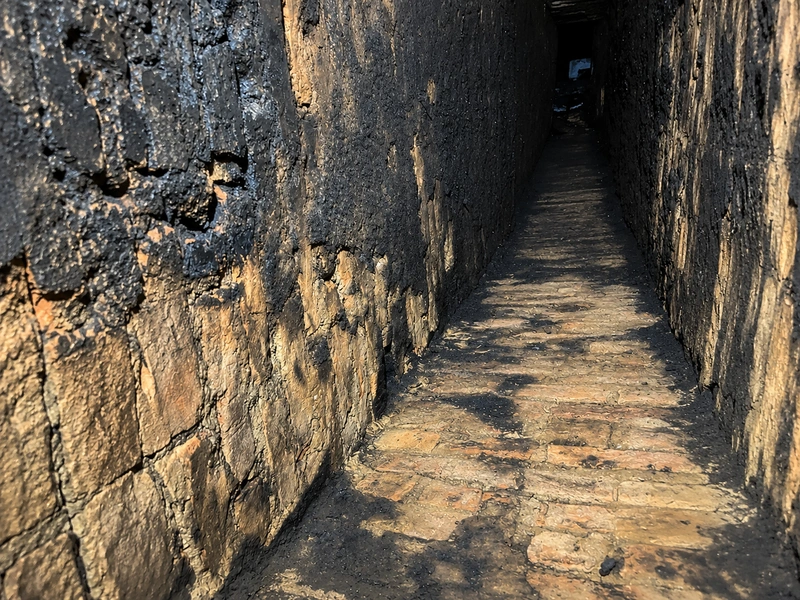
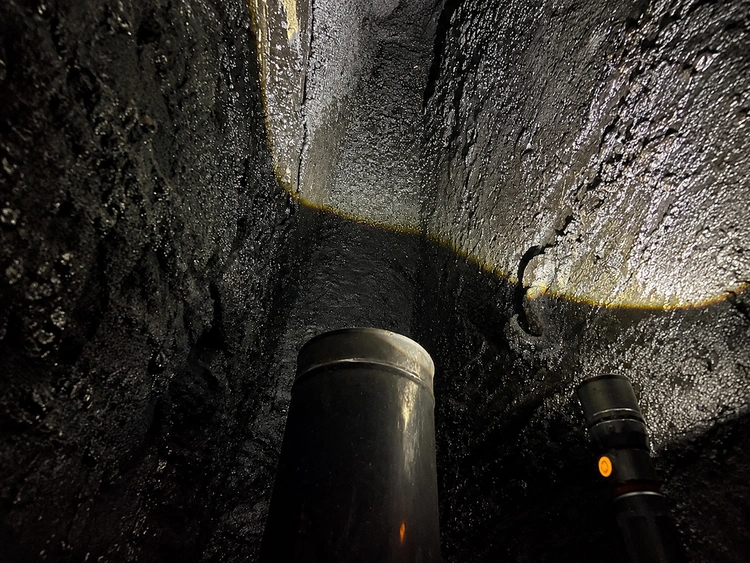
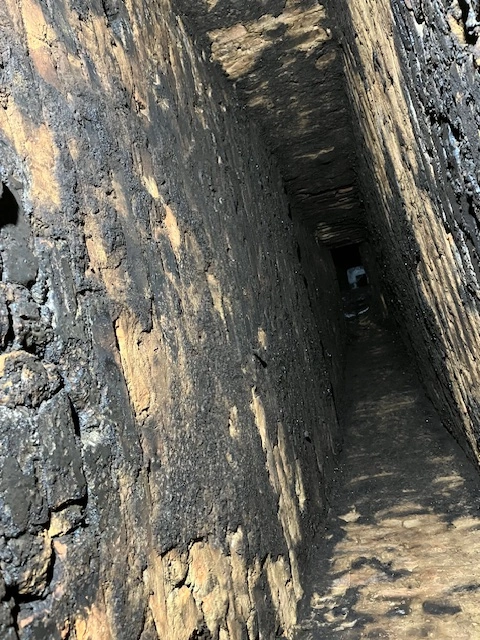
Creosote is a sticky, tar-like residue created when wood smoke cools inside the chimney. Over time it can harden into thick deposits that become difficult to remove through normal sweeping alone.
Excessive creosote not only reduces the efficiency of your chimney but also creates one of the biggest causes of chimney fires. Identifying and treating it early helps keep your chimney operating safely.
Why Does Creosote Build Up?
Creosote usually develops when fires burn cooler than they should or when damp or unseasoned wood is used. Incomplete combustion produces more smoke, allowing sticky tar deposits to form inside the flue.
Burning properly seasoned logs, maintaining your appliance and having your chimney swept regularly all help reduce the risk of future build-up.
Why Specialist Treatment Is Sometimes Needed
Light creosote deposits can often be removed during routine chimney sweeping. However, heavier tar deposits may require specialist treatment before they can be safely removed.
Our creosote treatment works gradually by breaking down stubborn deposits into a powder-like residue, allowing them to be removed during a follow-up chimney sweep.
Helping Prevent Future Chimney Fires
Removing existing creosote is only part of the solution. We’ll also help you understand why it formed and provide practical advice to help prevent it returning.
Simple changes such as using properly seasoned firewood, maintaining your log burner and arranging regular chimney sweeping can make a significant difference to the long-term condition of your chimney.
Protect Your Chimney Before Problems Develop
Heavy creosote deposits don’t just affect chimney performance, they can also increase the risk of chimney fires if left untreated. If you suspect tar build-up inside your chimney or have been advised that creosote is present, Rushbrook’s Chimney Sweep can assess the problem, provide specialist treatment and help restore your chimney to a safer condition.